
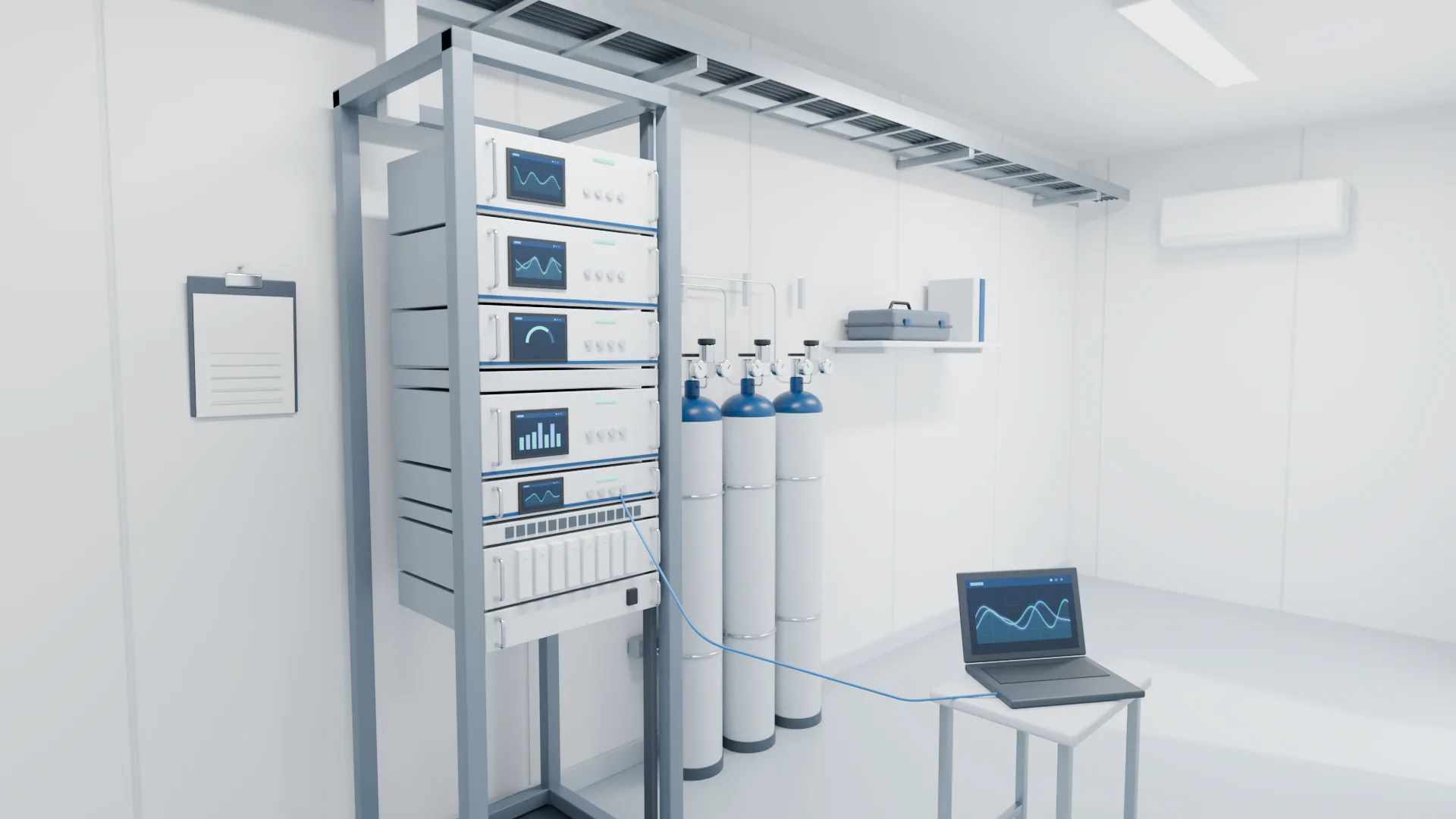
The number on an analyzer display looks the same whether the system is well maintained or not. The difference only shows when someone asks: where does this number come from, when was the instrument last calibrated, and what happened during the hours with no data?
Audit-ready data is data that can answer those questions without being rebuilt in a hurry.
Data is read by more people
Monitoring data does not stay in the control room. CEMS data from units required to integrate is sent to SISPEK, under Permen LHK No. 13 of 2021. Ambient air quality, meanwhile, is communicated to the public as the Air Pollutant Standard Index (ISPU), governed by Permen LHK No. P.14 of 2020.
ISPU groups air quality into five categories, from good to hazardous, and is calculated from several air pollutant parameters. Because the public reads these numbers, it is natural for stakeholders to ask about monitoring data from nearby industrial areas as well.
What makes data audit-ready
- Traceable. Every value can be linked to its instrument, measurement point, and time of measurement.
- Calibrated. There is a complete record of calibrations and audits, including results and follow-up.
- Complete. Hours without data have an explanation, for example the unit was not operating, calibration, or a fault.
- Consistent. The data reported matches the data stored in the system.
- Documented. Maintenance history and system changes are recorded.
Condition markers are not a formality
Article 9 of Permen LHK No. 13 of 2021 states that the DIS keeps sending data with defined marker values when the emission source is not operating or is in an abnormal condition, when the CEMS is being calibrated and audited using the CGA, RCA, or RATA methods, and when the CEMS has failed. These markers mean hours without measurement still carry an explanation.
In practice, the markers can only be correct if field activities are recorded properly: when calibration started and ended, when a fault occurred, and when the system returned to normal.
Audit-ready is the result of routine
Data that is ready for audit is rarely the product of preparing for an audit. It comes from routine:
- zero and span checks;
- a calibration and audit schedule;
- maintenance of the sample line and conditioning unit;
- records filled in every time work is done on the system.
That is why the most useful question is not “is our equipment good”, but “who makes sure that routine happens every month”.
Where to start
If you are not sure your unit’s data is ready to be inspected, start with three things:
- Gather the calibration and maintenance records for the past year.
- Review the hours without data and their explanations.
- Compare the data in the system with the data that was reported.
The result will show where the gaps are, and which parts need support.
The regulatory summary in this article is for information. For the obligations that apply to your unit, refer to the official text of Permen LHK No. 13 of 2021, Permen LHK No. P.14 of 2020, and your unit’s environmental approval.