
Air Emission Monitoring
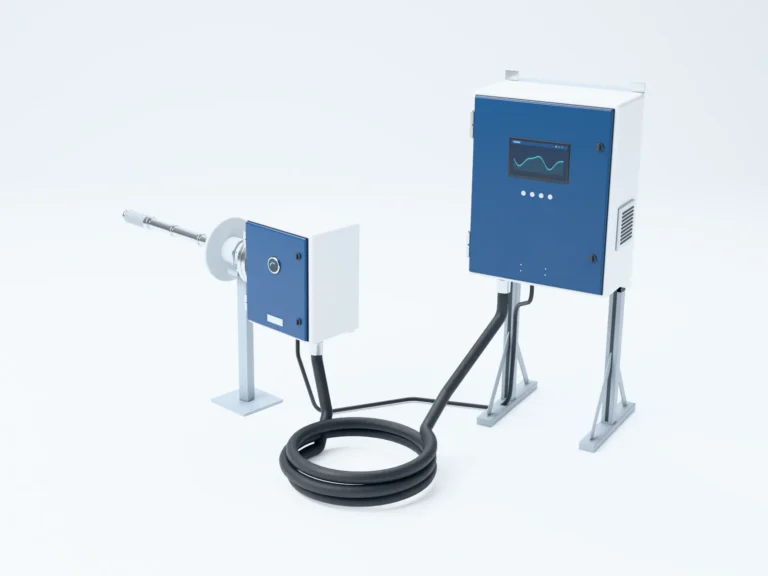
Hot-Wet CEMS
An extractive emission monitoring system that keeps the sample hot from the stack to the analyzer.
View product
Solutions
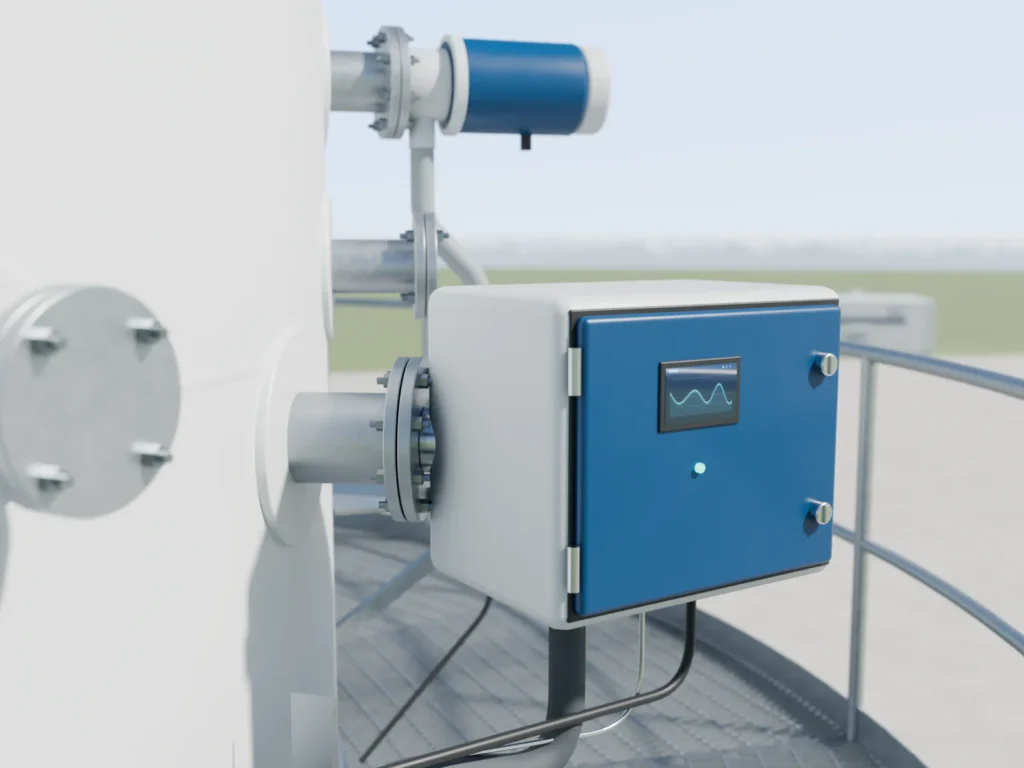
CEMS and ambient air quality monitoring designed to keep emission data measurable, traceable, and defensible, from the measurement point on the stack to the report.
01
For many industrial units, emission monitoring is no longer optional. Certain activities are required to monitor stack emissions continuously and report the data. What is tested is not just whether the equipment exists, but whether its data can be defended when operations, auditors, or management ask.
MoEF Regulation (Permen LHK) No. 13 of 2021 governs SISPEK, the information system for continuous industrial emission monitoring. For units within its scope, CEMS data becomes part of reporting, so data quality and continuity matter.
MoEF Regulation (Permen LHK) No. P.14 of 2020 on the Air Pollutant Standard Index (ISPU) sets how ambient air quality is communicated to the public. Ambient station data around industrial areas can be read within the same framework.
Government Regulation (PP) No. 22 of 2021, Annex VII sets the national ambient air quality standards, which serve as the benchmark when ambient monitoring data is evaluated.
In the company environmental performance rating (PROPER), complete and traceable monitoring data makes it easier for environmental teams to prepare evidence of performance.
02
The parameters to monitor depend on the sector, the fuel, and the requirements in your unit’s permits. That is why we always start from the permit documents and the stack conditions, not from an equipment list.
Parameters commonly monitored by CEMS:
For ambient air monitoring (AQMS), parameters follow the needs around the site, for example particulates and the main gaseous pollutants, with meteorological data as context.
03
No single CEMS configuration suits every stack. The choice depends on the composition and moisture of the flue gas, the dust load, temperature, access to the measurement point, and the site team’s ability to maintain it.
The sample is kept hot from probe to analyzer, so soluble components are not lost with the condensate. Suited to moist flue gas.
Moisture is removed before analysis. A widely used configuration for the main gaseous parameters that site teams find relatively easy to maintain.
Dust and flow are measured directly inside the stack, without extracting a sample, to complement gas CEMS.
Ambient monitoring stations with analyzers, meteorological sensors, and data acquisition.
04
Once the system is installed, the real work begins. A CEMS that is not maintained keeps showing numbers, but those numbers may not be defensible.
For units that want to avoid the full upfront investment, the same package is also available as Rental CEMS.
05
Air Emission Monitoring
An extractive emission monitoring system that keeps the sample hot from the stack to the analyzer.
View product
Air Emission Monitoring
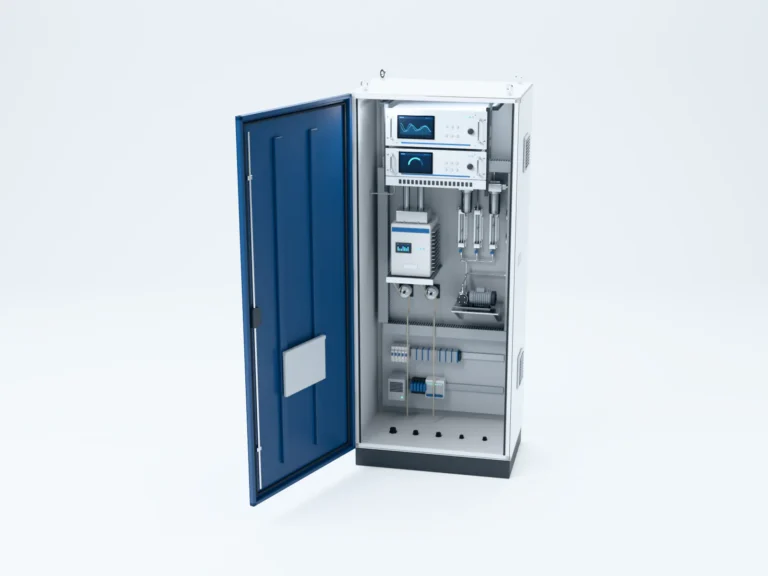
An extractive emission monitoring system that dries the sample before analysis.
View product
Air Emission Monitoring
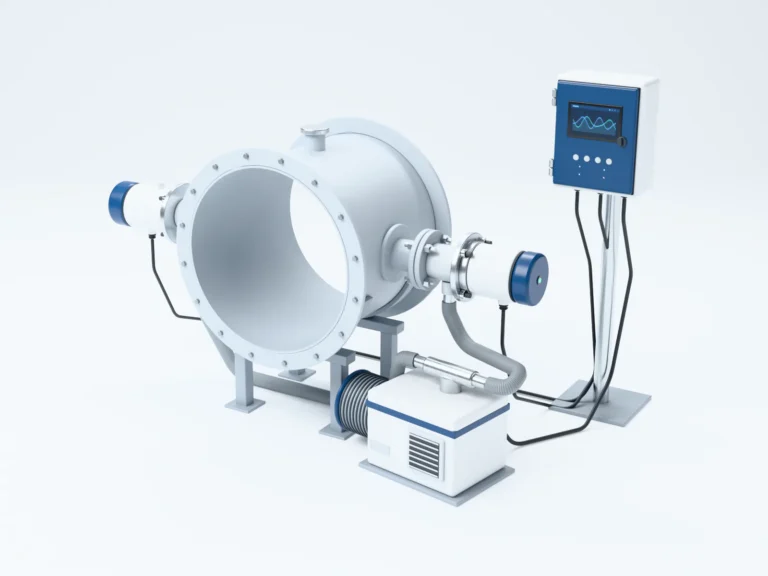
In-situ instruments that measure dust concentration and flue gas flow directly inside the stack.
View product
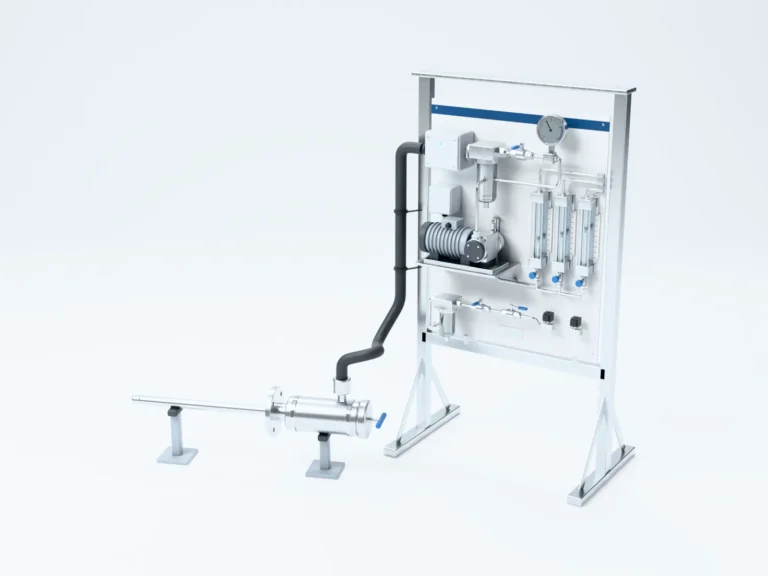
Air Emission Monitoring
The sampling and conditioning train that determines whether the analyzer receives a representative gas sample.
View product
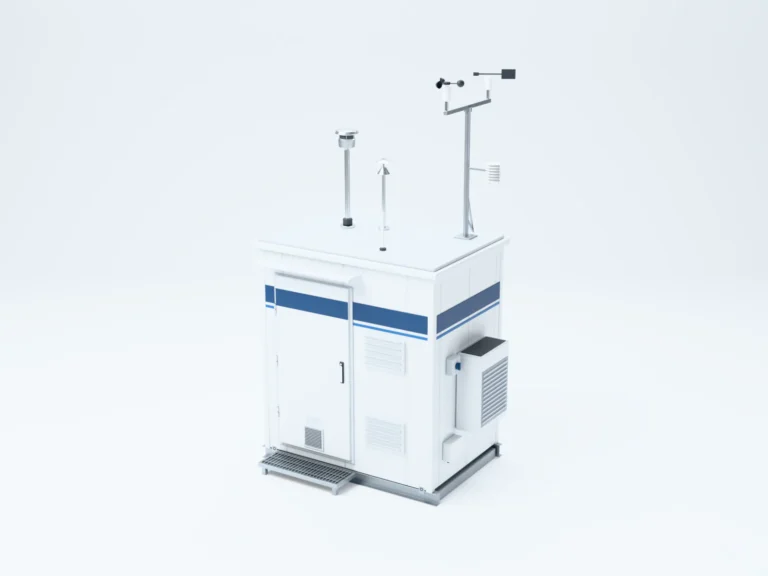
Air Emission Monitoring
An ambient air quality monitoring station that records air and meteorological parameters continuously.
View product
Contact
Choose the route that fits best. Our team reviews your needs, site conditions, and timeline before preparing a recommendation.
01
Discuss parameters, measurement points, and site conditions before choosing a system.